
Why Choose Apitong Shiplap for Trailer Flooring
September 23, 2026
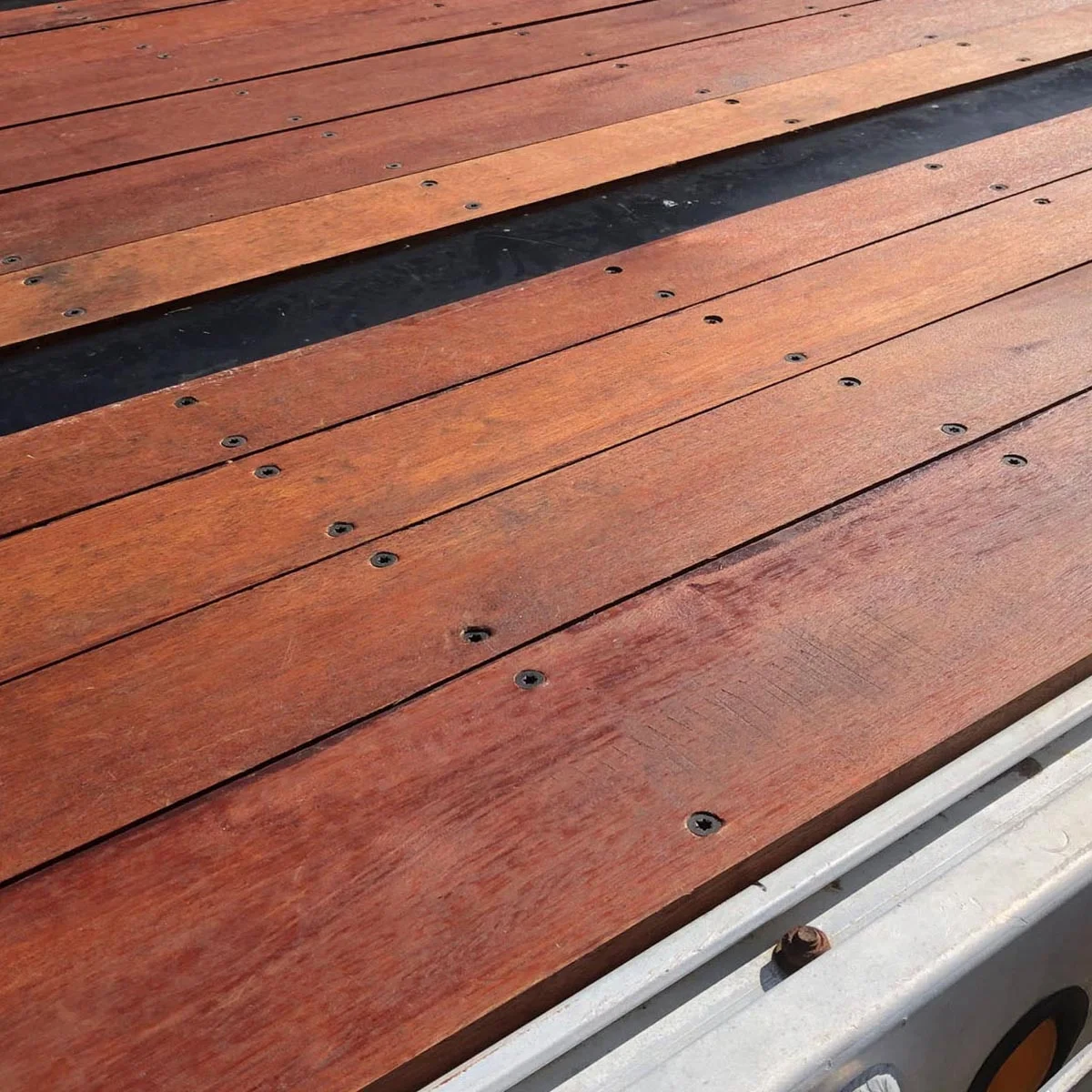
Replacing a trailer floor isn’t just a matter of finding boards at your local lumber yard that fit the metal frame. The wood has to handle concentrated loads, repeated equipment traffic, weather exposure, and years of vibration. Not to mention, the board profile you are replacing should be matched - Square Edge, Rough Sawn, or Shiplap.
Genuine Apitong, also called Keruing, is a popular choice for trailer flooring because its strength and durability line up well with the typical conditions experienced by a typical trailer floor. Read on to find out why choosing Apitong shiplap for trailer flooring is a great solution.
Apitong Handles the Demands of a Working Trailer
A working trailer floor endures extreme conditions in ways that many wood surfaces never will. Equipment rolls across the trailer, people set loads down onto the wood hard, and the whole floor flexes as the trailer goes down the road. A flooring species needs enough strength to handle those factors without making every scrape, dent, or surface check a reason for replacement.
Genuine Apitong has a modulus of rupture of about 19,900 psi and a Janka side hardness of roughly 1,270 pounds. Compared to domestic Red Oak or White Oak... well, the Apitong blows it away by more than 50%! This dense tropical hardwood that can take repeated loading and impact while remaining structurally sound - which is exactly why almost every OEM manufacturer uses Genuine Apitong.
That does not make an Apitong floor impossible to damage. Overloading can still break boards, and poor installation can allow for movement or moisture problems that shorten service life. The advantage of Apitong shiplap is starting with hardwood that sets your trailer flooring up for success.
Solid Apitong Works Well for Exposed Trailer Applications
There isn’t much protection from the elements for open flatbeds and drop decks. The top surface has to hold up to UV rays and rain, while the underside combats water spray, dirt, and road grime. It’s a constant wet-and-dry cycle.
While a laminated truck flooring depends on multiple pieces remaining bonded together, solid Apitong remains one piece of naturally durable hardwood throughout its thickness. It’s best for laminated flooring to stay in enclosed dry vans and trucks. For exposed trailers, solid hardwood is the ideal (only) option.
A Sturdy Apitong Alternative: Brazilian Apitong
Genuine Apitong is the first species many trailer owners know by name, but it is not the only hardwood capable of doing the job. Angelim Pedra, commonly called Brazilian Apitong, gives flatbeds and drop decks comparable strength and natural durability. The tropical hardwood species is a close second to Apitong, and it doesn’t require you to drop down to a soft, weak, unstable, on non-durable flooring material.
The choice can also come down to what is available when you actually need to rebuild the trailer. Both species meet OEM specifications, and either one can work well in demanding exterior applications. Depending on inventory and freight costs, South American Angelim Pedra may even be available at the better price. That matters when a trailer is sitting out of service waiting for a new floor.
Why Angelim Pedra Holds Up Under Heavy Trailer Use
Angelim Pedra is simply called Brazilian Apitong because it has served the exact same purpose as Genuine Apitong for many years. The two woods have similar mechanical, durability, and stability properties. Both provide substantial strength, hardness, and density under exterior exposure. Relative stability depends on the size with Genuine Apitong being generally preferred.
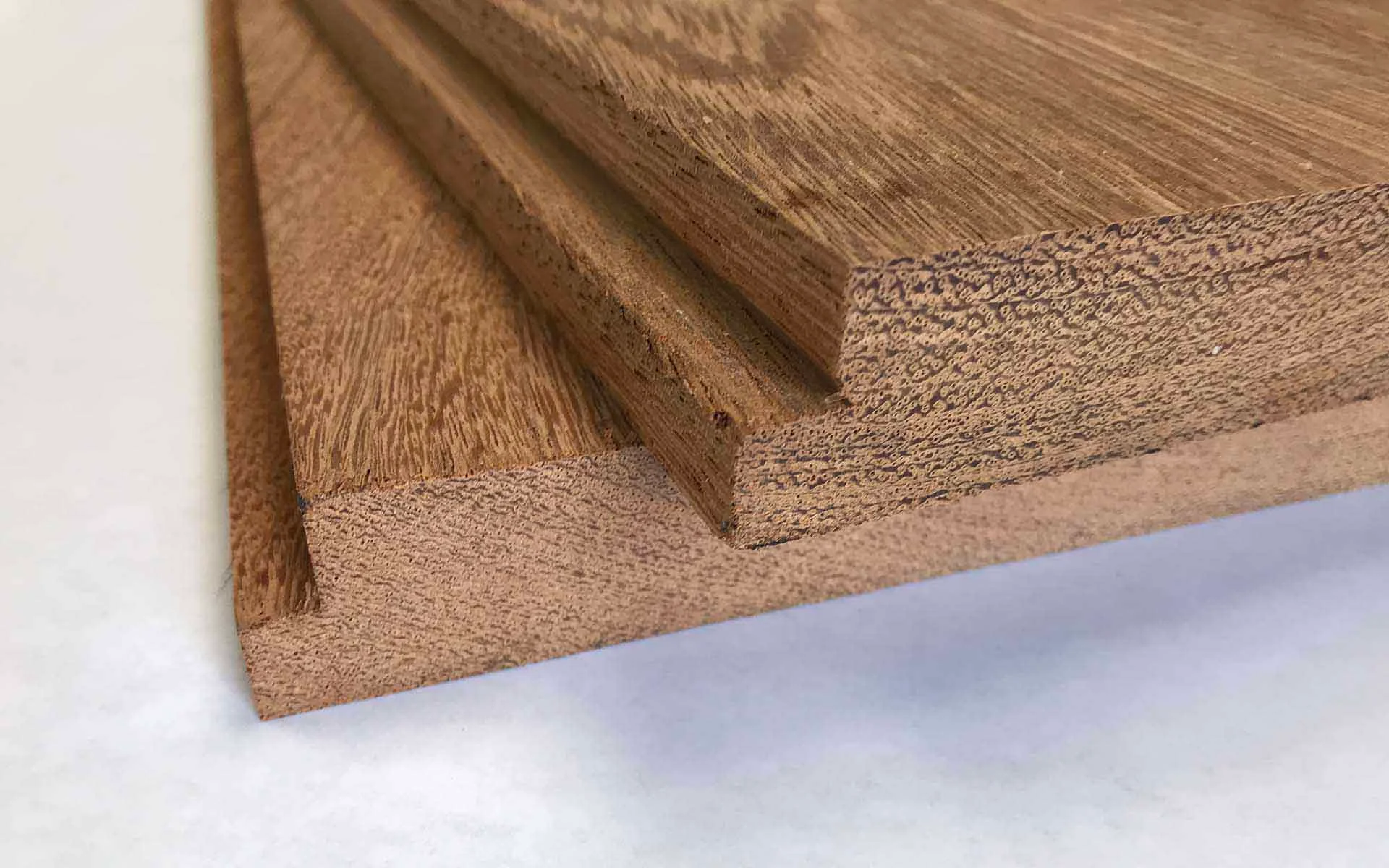
You can tell the species apart visually. Angelim Pedra usually has a medium tan color, more defined grain, and small mineral deposits known as pedras, Portuguese for “stones.” Those differences change the appearance, not its suitability for a working trailer floor.
Overlapping Shiplap Edges Create a Tight Trailer Floor
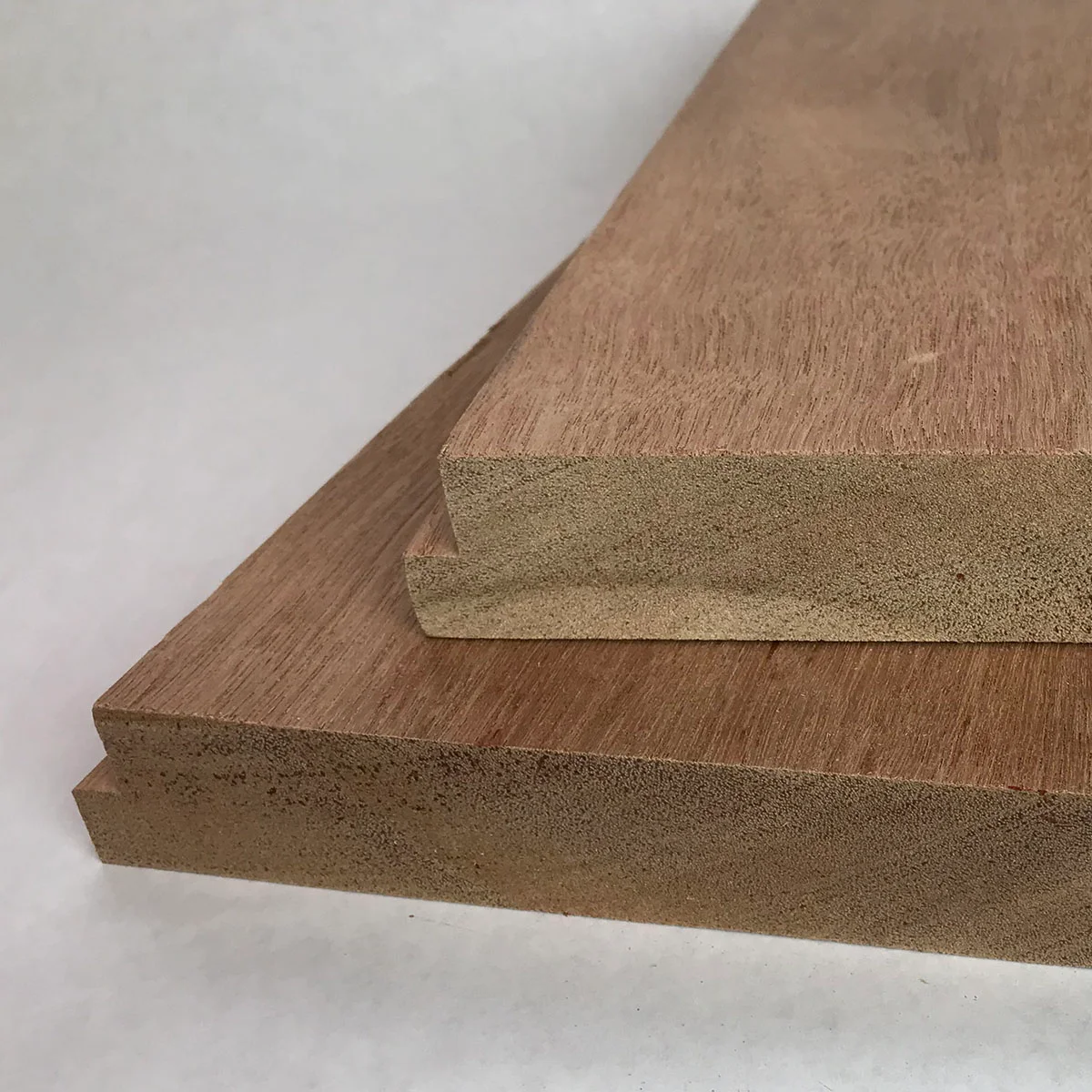
Species is only part of the decision. After milling Apitong into shiplap, each board has a rabbeted edge that overlaps the neighboring board. That overlap helps tie the boards into a more continuous floor.
Since the two square edges don’t meet independently, the water at the seam has a less direct path between the boards. This helps the decking lay up into a tight, flat working surface.
Shiplap Isn’t the Same as Tongue-and-Groove Flooring
The terms sometimes get mixed together, but trailer shiplap does not use a full tongue-and-groove connection. Instead, the boards have overlapping lap edges, commonly arranged in what is called a Z-lap pattern.
On a Z-board, the lap extends from opposite faces, allowing one piece to overlap the next across the trailer. T-boards use a different lap arrangement and are commonly used in specific positions, such as center-board applications. Knowing which profile is already installed matters when matching replacement material.
Consistent Milling Makes Replacement Flooring Simple To Fit
Anyone who has redecked a trailer knows that the dimensions on paper have to work with the steel sitting in front of you. Shiplap is milled to a smooth, defined profile, which gives more predictable dimensions when laying out the replacement floor.
Rough trailer boards are different. Rough-sawn material generally run about 1/8 inch over the listed size, with individual boards as much as 1/4 inch oversized. That variation is not necessarily a problem because rough lumber is commonly used in heavy-duty applications.
Still, predictable milling can make shiplap straightforward to work with when matching an existing deck. Board thickness affects how the floor sits against the frame, face width affects the total board count, and small differences can add up across the width of a trailer. Accurate measurements before ordering are every bit as important as accurate cuts after the lumber arrives.
Common Shiplap Sizes Help Match Existing Trailer Floors
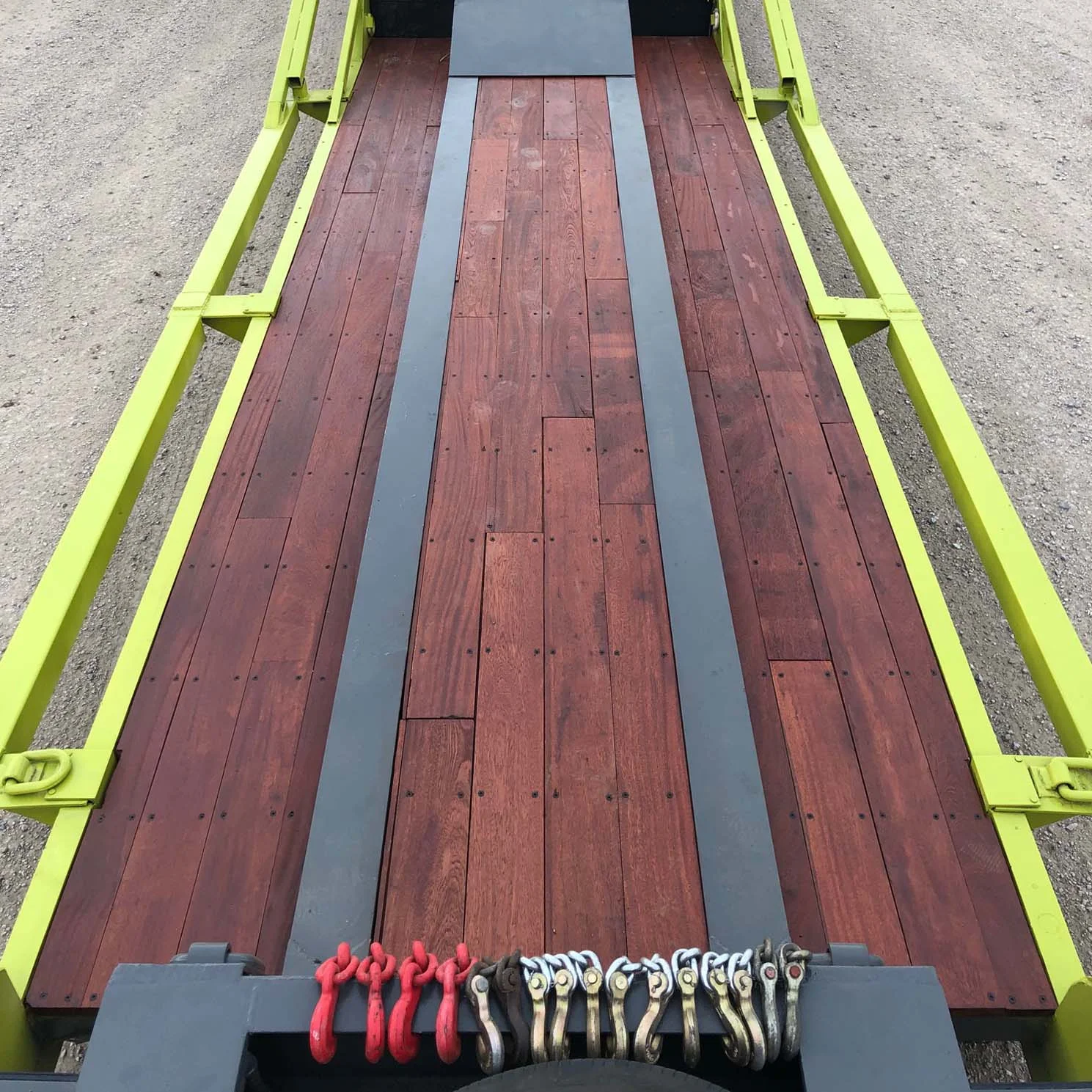
There is no single board size for every trailer, which is why the existing floor should drive the replacement order. Common Apitong shiplap options include 5-inch and 7-inch face widths in several thicknesses, giving installers choices for different trailer designs and load requirements.
One of the most common configurations for both Apitong and Angelim Pedra is 1-1/8 inch by 7 inches at the face. Heavier-duty applications may use thicker material, including 1-3/8-inch or even 1-3/4-inch flooring. The right choice depends on how the floor fits the trailer’s understructure and what the trailer carries.
Before ordering, measure the existing flooring. After many years of exposure, the boards have likely seen their share of sun and rain, shrinkage and expansion - don't be surprised to see some variation in thickness and width.
A Maintainable Hardwood Floor Delivers a Long Service Life
A strong hardwood floor should not be installed and forgotten. Exterior exposure and everyday wear affect the surface, even when the wood underneath remains structurally intact.
Regular treatment with a penetrating oil finish helps protect sound Apitong from moisture infiltration and UV-related surface degradation. Current guidance for these floors puts properly installed Apitong and Brazilian Apitong with annual oil treatment between 15 and 20 years of service. Keeping a sound floor protected can help delay the point when deterioration becomes a complicated repair.
Choose the Flooring Material Around the Trailer’s Job
The best replacement floor is the one that fits the trailer and the job it has to do. Before choosing Apitong shiplap trailer flooring, look at the existing board thickness and profile, measure the usable deck width, check the cross members and fastener locations, and consider the load.
For a flatbed or drop deck that needs a durable exterior hardwood floor with a tight mostly water resistant profile, Apitong shiplap trailer flooring as well as Brazilian Apitong are worth considering. TrailerDecking.com carries both Genuine Apitong and Angelim Pedra in common trailer-flooring sizes, along with the screws and finishing products needed to complete a redeck. If you’re unsure which species or size fits your trailer, gather your measurements and a few photos. Our team will help determine the dimensions and find available hardwood shiplap that will serve your trailer for years.