
How Much Apitong Oil Does a Trailer Deck Require?
October 26, 2026
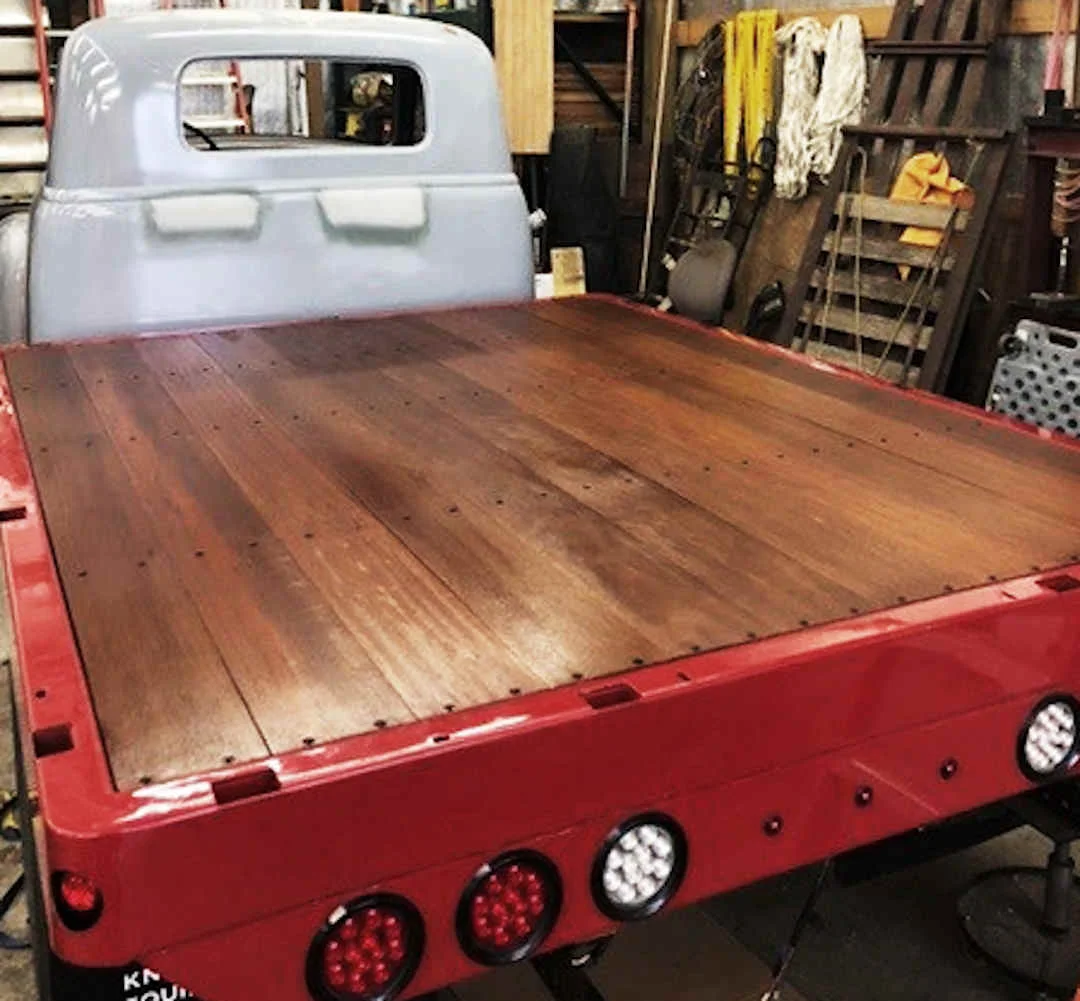
A gallon of finish goes a lot farther on a smooth Apitong or Angelim Pedra floor than it does on rough-sawn boards. Coverage depends on the species, the surface texture, whether the deck is bare or already maintained, and how much total surface you’re actually coating. Before you order, measure the deck and use the conservative end of the published ranges so you don’t come up short.
What Is Apitong Oil?
Apitong Oil is a penetrating exterior finish built for working wood that lives outside. It soaks into the fibers instead of sitting on top as a film. The base is pure tung oil, which hardens inside the wood and limits moisture movement. Transoxide pigments and UV blockers slow color fade and surface breakdown from the sun. A fungicide helps keep mold and mildew from taking hold. The result is a finish that protects the deck while leaving the natural grain visible.
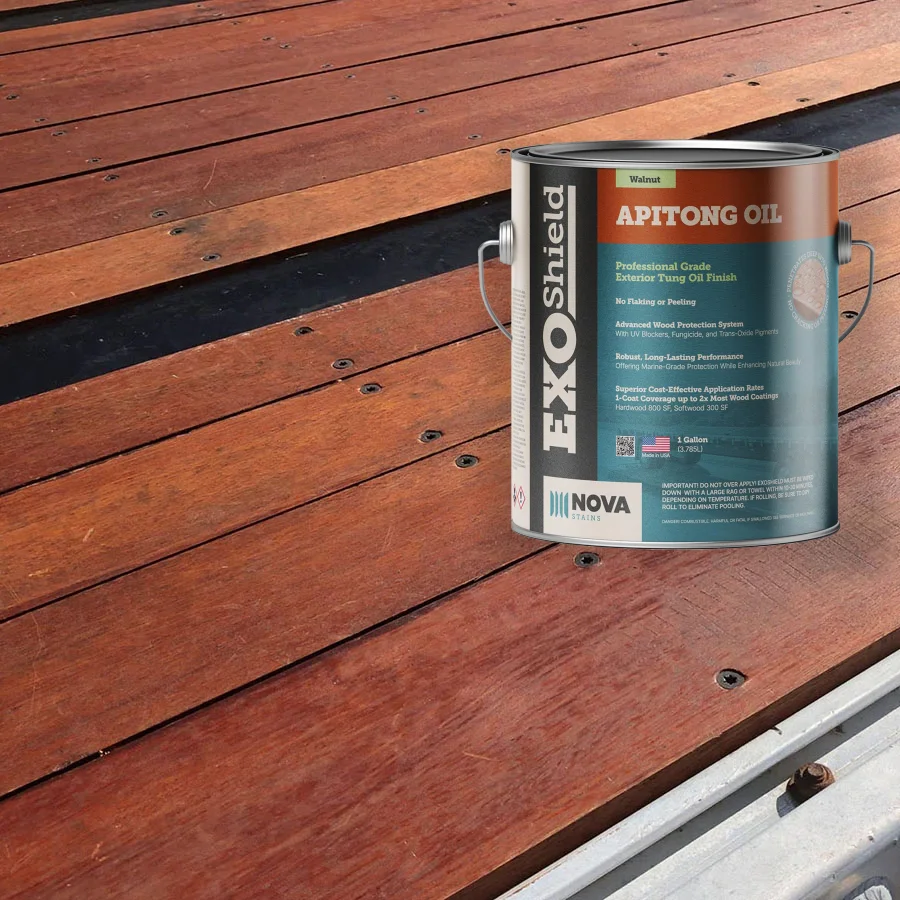
It is intended for open decks—flatbeds, drop decks, lowboys, utility trailers, rough lumber, and exposed tie-down or slat surfaces. For enclosed trailers, dry vans, and interior floors, use NovaSeal instead.
Coverage by Surface and Species
Published coverage is a range, not a fixed number. Always plan from the low end so you have margin for edges, end grain, the underside, and any unusually absorbent boards.
Smooth hardwoods (Apitong/Keruing, Angelim Pedra, white oak, red oak, maple): 600–800 sq ft per gallon
Dense, finished surfaces absorb oil slowly. A 48-foot trailer with an 8.5-foot usable width has about 408 square feet on the top face. At the conservative 600 sq ft rate, one maintenance coat on the top uses roughly 0.7 gallons before you add edges or the underside. Ordering at the 800 sq ft rate leaves little room if the deck takes more than expected.
Rough hardwoods (rough-sawn Apitong or Angelim Pedra): 250–350 sq ft per gallon
Saw marks and raised fibers expose far more surface area. A 20-foot by 8-foot rough deck is 160 square feet on the top alone. At 250 sq ft per gallon, that top surface uses about 0.65 gallons for one coat. Include the underside, edges, and fresh end grain in the total.
Softwoods (Southern Yellow Pine, fir, cedar, spruce): 300–400 sq ft per gallon

These absorb more than dense smooth hardwood. The oil protects the surface, but it does not change the wood’s inherent properties. Use the coverage figure to size the order; it is not a substitute for choosing flooring that matches the trailer’s load and use.
Calculate What You Need
Start with the actual deck length and usable width, not the trailer’s advertised overall size. Multiply to get square footage, then divide by the conservative coverage rate for that material (600 for smooth hardwood, 250 for rough hardwood, 300 for softwood).
Example: a 24-foot by 8-foot smooth Apitong deck is 192 square feet. 192 ÷ 600 ? 0.32 gallons for a maintenance coat on the top face. That is the baseline. A new or bare deck, underside treatment, exposed edges, and thirsty boards all increase the total.
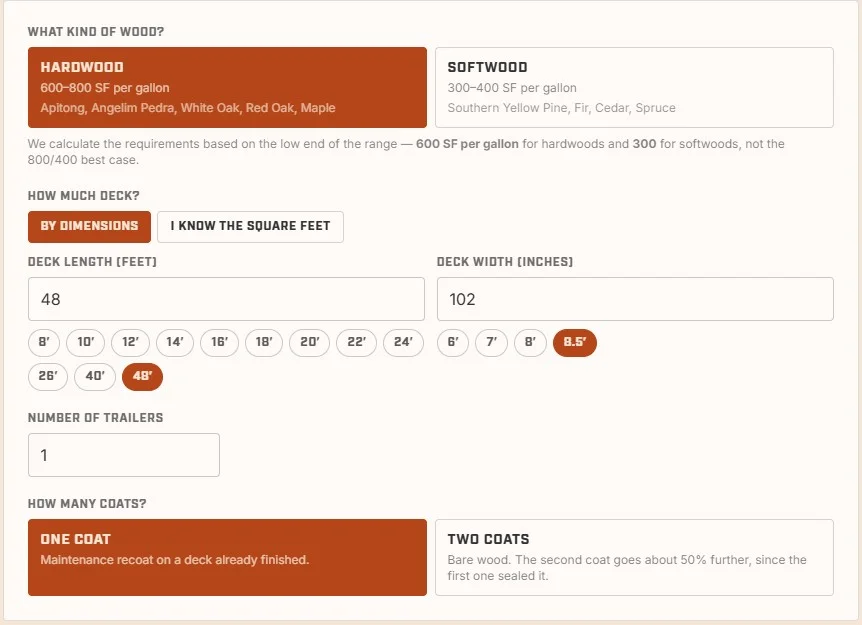
TrailerDecking.com has an Apitong Oil coverage calculator that uses the low end of the published ranges. Enter your dimensions and number of coats and it will size the order.
Factors That Change Coverage
Coverage charts assume a typical surface. Real trailer floors vary.
Bare wood versus maintenance
Bare wood usually needs two coats. The first coat saturates the fibers; the second coat typically covers about 50 percent farther. Do not simply double the first-coat quantity. A deck that already has a sound penetrating finish generally takes one recoat, and absorption is lower because oil is already in the wood.
Surface condition
Dirt, mildew, loose fibers, or old contamination interfere with even absorption. Work on clean, dry wood. Rough or weathered areas, especially end grain and high-wear zones, will drink oil faster. Apply, let it penetrate, and wipe off excess. Do not keep adding oil to spots that have stopped taking it—excess left on the surface can remain shiny and fail to penetrate.
Weather and timing
The deck should have two to three dry days before application. Apply above 45°F with no rain expected for at least 24–48 hours afterward. Brush or roll the oil on, allow it to penetrate (typically 20–30 minutes), then wipe to a dull, even appearance. Used oil-soaked rags can generate heat as they cure; dispose of them properly (spread flat outdoors or place in a metal container with water).
Measure First, Then Order
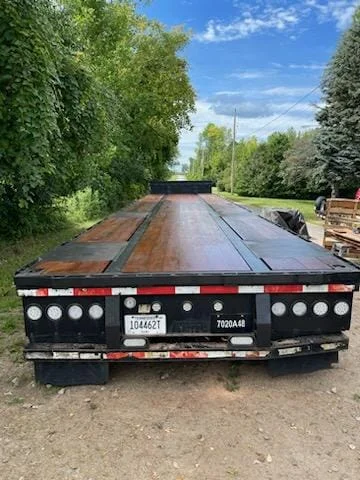
Measure the deck, use the conservative coverage rate for the species and surface, and account for every face and edge you plan to coat. Factor in whether the job is a first application on bare wood or a maintenance coat. TrailerDecking.com stocks Apitong Oil for exposed trailer floors. If you want help sizing an order for your specific trailer and flooring, call 1-855-APITONG or use the calculator on the product page.