
Caring for Your Apitong Deck: Environmental Dangers, Finishes and Maintenance
June 7, 2012
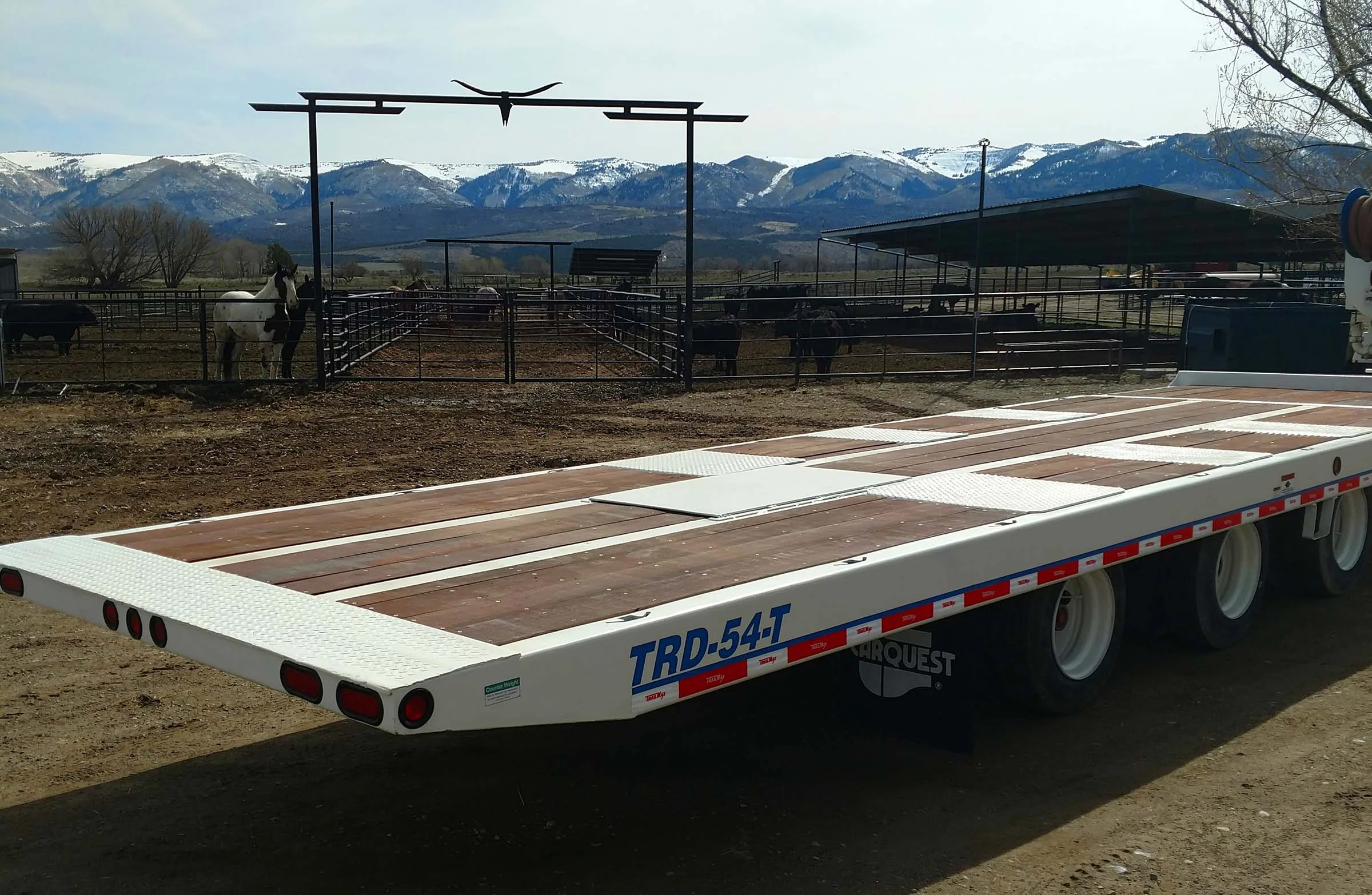
Unless you leave your truck in the garage 24/7, your flatbed trailer is going to be exposed to the elements, and that exposure can do major damage to hardwood trailer decking.
This guide covers the environmental dangers facing an Apitong trailer deck, how to choose a finish that protects against them, and the regular maintenance that keeps your trailer flooring working and looking good.
Environmental Dangers
Changes in temperature, humidity, and sunlight all take a toll on trailer boards.
Moisture and Humidity
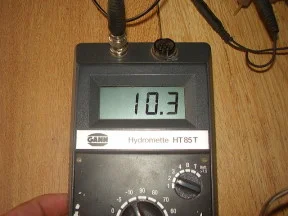
Wood is a hygroscopic material, which means it naturally takes on and gives off water to adjust to its surroundings. Wood shrinks and swells as it loses or gains moisture below its fiber saturation point. This natural behavior is responsible for some of the problems encountered when wood dries. For example, cracks and checks can result from stresses inside a piece of wood that is drying. As the piece dries, it develops a moisture gradient across its section: drier on the outside, wetter on the inside. The dry outer shell wants to shrink, but the wetter core holds it back, which can cause small cracks called surface checking or season checking.
Temperature Changes
Moisture isn't the only enemy of Apitong trailer decking. High temperatures can also damage your floor, typically as shrinkage across the face of the decking. The result is abnormally large gaps between boards, sometimes accompanied by concave cupping of the deck boards.
Sunlight
Much like your own skin, too much sun damages the cellular structure of Apitong trailer decking. UV rays break down the materials that hold the wood fibers together. You have seen how UV rays destroy deck chairs and cushions, and the same holds true for your Apitong floor.
Keep in mind that wood is a product of nature and will acclimate to its environment. Even properly seasoned decking can change dimensions after installation under the right conditions, and big seasonal swings between summer and winter will take their toll.
Picking the Right Finish
Many trailer owners skip finishing because they think the cost is too high. The finish and the labor to apply it may seem steep at first, but it is modest compared to the damage the elements can do to your deck. A finish application usually takes an hour or so and just a few gallons of deck treatment. The benefits far outweigh the costs.
There are two basic types of deck treatment to consider: a semi-transparent oil stain, or a water-repellent preservative.
Oil Stains
Oil stains are the treatment most often preferred by hardwood industry professionals. The finish soaks deep into the wood and gives an attractive, even color while still letting the natural grain show through. If you want a protective finish that features your deck's natural beauty, an oil stain is the right choice.
There are two common types of oil stain: natural oils like linseed oil, and more expensive synthetic oils. Both do an excellent job of sealing and preserving the wood, and both produce a beautiful deck.
Natural oil stains tend to support mildew and discoloration, so if you live in an area with moderate to heavy humidity and rain, think twice before choosing one. The better natural oil stains contain mildewcides (or they can be added), but black mildew can reappear within a year or so, so regular applications may be necessary. Synthetic oil stains are specially formulated to eliminate the problem of black mildew.
Water-Repellent Preservatives
Clear water-repellent preservatives are usually wax- or silicone-based. They seal the wood but don't soak in as deeply. They often cost less, about half the price of a good-quality oil stain, but need to be reapplied every year. If you choose one, check the label to make sure it contains not only water repellents but also mildewcides and UV blockers.
Our own Apitong Oil is a tung-oil-based penetrating stain with a fungicide and UV-blocking pigments, made for exactly this job. For more on choosing a finish, see Selecting the Right Wood Finish for Your Platform Trailer.
Five Regular Maintenance Tips
1. Clean
This is an important but often overlooked step. You may not think cleaning a work trailer matters, since you're not trying to win any beauty contests, but dirt, dust, mold, and mildew cause unnecessary wear and rot on even the toughest decks. Sweeping and washing now and then really helps extend the life of your trailer flooring.
2. Fix Popped Fasteners
Popped nails and loose deck screws aren't only bad for the boards, they're a hazard to you and your crew. Look for them whenever you're loading, unloading, or cleaning, and replace them when you find them.
3. Replace Busted Boards
The great thing about hardwood trailer flooring is that when a board warps, rots, or breaks, you can usually replace it without tearing out the entire bed. If you are a fairly competent DIYer, removing and replacing a board or two shouldn't be a problem.
4. Refinish
If your trailer floor is still structurally sound but looking worse for wear, it might be time to refinish it. That may seem like a purely cosmetic step, and it mostly is, but even the best finish loses its protective qualities over time. Refinishing regularly protects the wood from the elements and extends the life of your trailer flooring.
5. Replace
Hardwood trailer flooring is a natural material, and despite your best efforts it will wear out over time. If most of your boards are warped, bent, and busted, it's probably time to replace the entire deck. Call the professionals at TrailerDecking to discuss your options, and see how to make trailer deck boards last for more maintenance advice.